Archive for the
‘Architecture’ Category

A well-designed modern luxury home is more than just an address; it’s a personal statement. When I create a space that embraces seamless indoor-outdoor living, high-quality materials, and timeless design, I’m not just building a house—I’m crafting a lifestyle. Below, I’ll explore the top trends and must-have features that define a truly modern luxury home. In doing so, I’ll also dive deeper into the educational aspects that help inform these design choices, from understanding sustainability principles to the science behind interior layouts.

Balancing Timeless Design and Craftsmanship

Modern luxury homes capture the essence of timeless design, thoughtful craftsmanship, and high-quality materials. It’s crucial to consider how each element—be it natural stone, wood, or steel—balances both beauty and function. A large part of striking this balance lies in understanding the materials themselves: wood species differ in hardness, grain pattern, and moisture tolerance, while natural stone varies in porosity, maintenance needs, and thermal conductivity. By paying close attention to these details, homeowners and builders ensure that each material is both appropriate for its intended use and consistent with the home’s design language.

Choosing materials wisely also has long-term implications for durability and value. For example, selecting a higher grade of lumber not only means fewer knots and blemishes but can also improve structural stability. Premium finishes, such as oil-based stains for wood or sealants for stone, help preserve the natural luster and protect surfaces from everyday wear and tear. When executed properly, craftsmanship transcends aesthetics and becomes an investment in the home’s longevity.

Understanding the local climate is another consideration when balancing timeless design with practicality. In humid or coastal regions, certain metals are more prone to corrosion, while wood can warp if not properly treated. Collaborating with architects, engineers, and local experts ensures the home’s design isn’t just beautiful on paper but prepared to withstand environmental factors for decades to come.
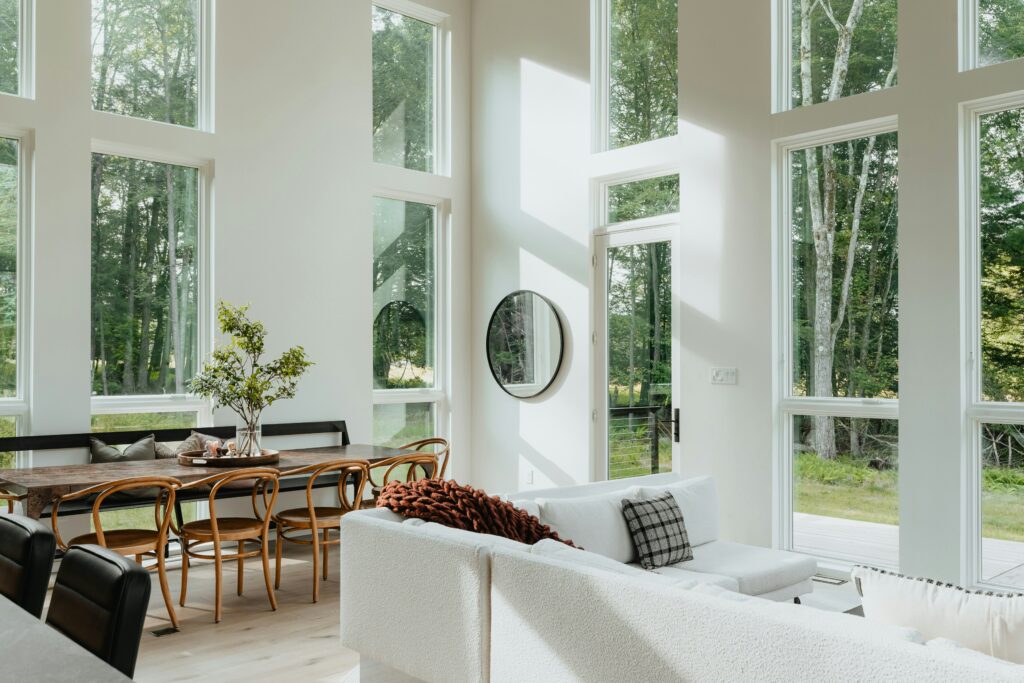
Luxurious living room in a modern luxury home featuring floor-to-ceiling windows that highlight timeless design and expert craftsmanship.

Top Trends in Modern Luxury Homes

Open-Concept Living

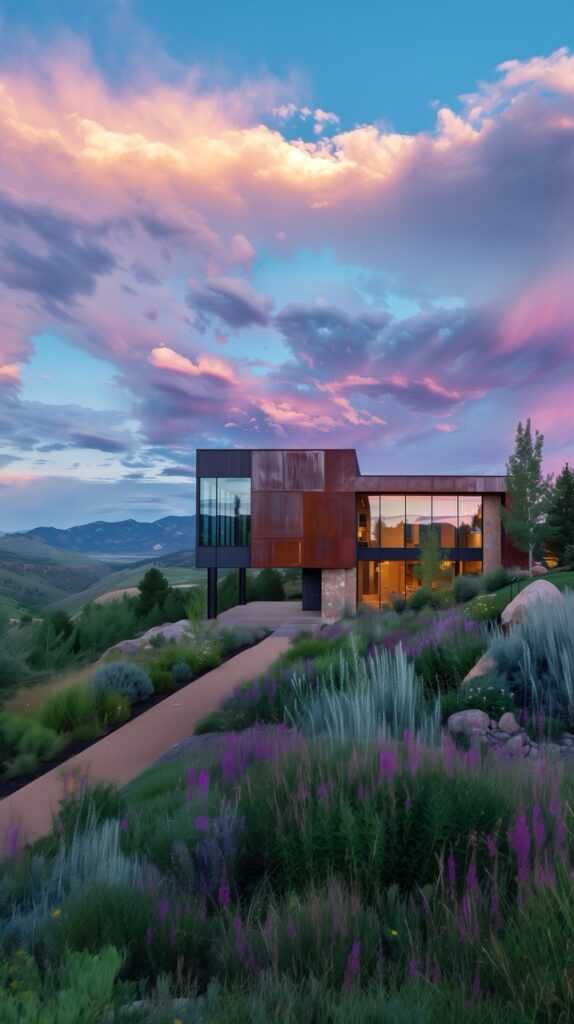
Open floor plans are all about spaciousness and flow, like our Bloque Residence in Boulder, Colorado. They blur the boundaries between rooms, making everyday living and entertaining more comfortable. By maximizing natural light, open-concept layouts feel bright, airy, and endlessly customizable. To truly appreciate the science behind open-concept spaces, consider how light travels: large, unobstructed windows allow sunlight to penetrate deeper into the home, reducing the need for artificial lighting during the day and fostering a more uplifting ambiance. Designers often employ structural engineering techniques such as hidden support beams or load-bearing pillars to maintain the openness while ensuring stability.

Beyond aesthetics, open-concept living can positively impact family dynamics. With fewer walls separating communal areas, family members can interact more easily, encouraging a sense of togetherness. Whether it’s supervising children from the kitchen while they do homework in the living room, or hosting a dinner party where guests can mingle freely between the kitchen and sitting area, the layout fosters connectivity at every turn.

Seamless Indoor-Outdoor Transitions

Outdoor kitchens, covered patios, and sliding glass walls help integrate the home with its surroundings. By drawing inspiration from the natural environment—be it ocean, mountain, or cityscape—modern luxury homes strengthen their bond with nature. Biophilic design principles go a step further by incorporating elements such as living walls, natural ventilation, and daylighting strategies to enhance occupants’ well-being. Research has shown that a strong connection to nature can reduce stress, improve air quality, and even boost productivity.

For those who enjoy entertaining, seamless indoor-outdoor transitions allow for larger gatherings without feeling cramped. Retractable glass panels and disappearing doors can transform a living room into an open-air pavilion in a matter of seconds. These features are not only visually striking but also practical, especially in regions where the climate supports extended periods of mild weather.
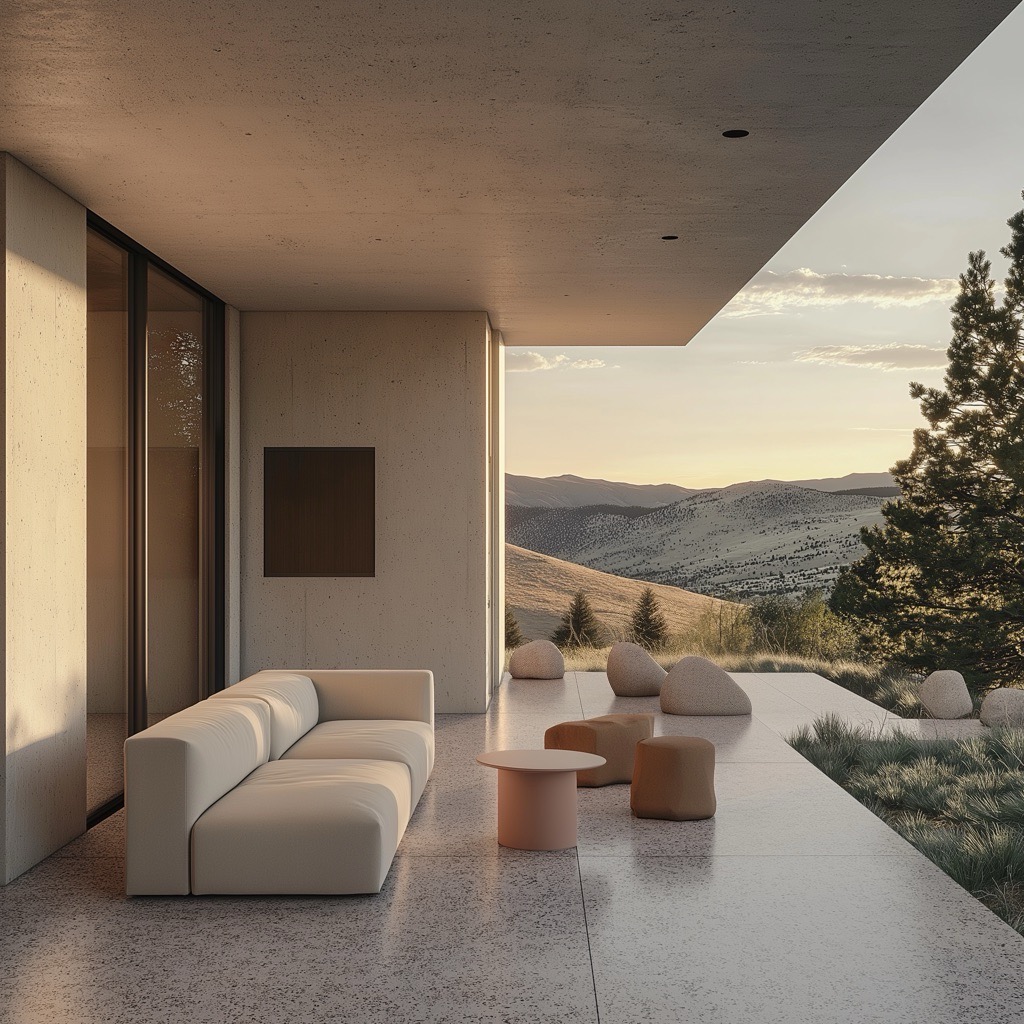
Spacious outdoor living area with cozy seating and lush landscaping, perfect for relaxation and entertaining.

Smart Home Integration for Modern Luxury Homes

Automated systems for lighting, climate control, security, and entertainment are no longer optional; they are part of the luxury experience. Voice-activated features and remote access let homeowners fine-tune their environment with ease. From a technical standpoint, this involves layering Wi-Fi coverage, Ethernet connections, and sometimes even fiber-optic cables throughout the home to support a network of Internet of Things (IoT) devices. Professional system integrators often use structured wiring and centralized control panels to manage these technologies efficiently.

Additionally, data security is a critical factor in modern luxury homes. With everything from door locks to surveillance cameras connected to the internet, robust cybersecurity measures—like firewalls, encryption, and secure network protocols—should be in place. Investing in professional-grade smart home solutions can ensure the system remains user-friendly while safeguarding sensitive information.

Sustainable Features

From passive design strategies to solar panels and water conservation systems, sustainable homes prioritize the health of the environment and the well-being of their occupants. Thoughtful site planning, strategic orientation, and high-performance windows also maximize natural light while reducing energy consumption. A deeper understanding of green building certifications such as LEED (Leadership in Energy and Environmental Design) can guide homeowners toward more responsible choices.

Passive design strategies often include placing windows to optimize cross-ventilation, using thermal mass to regulate indoor temperatures, and carefully selecting roof overhangs to block direct sunlight during the hottest months. Solar panel technology has evolved significantly, offering more efficient and sleeker designs that seamlessly blend into modern rooftops. Meanwhile, water-saving fixtures like low-flow faucets and dual-flush toilets make a notable difference in reducing the home’s environmental footprint.

Beyond the environmental impact, sustainable features can yield cost savings over time. Lower utility bills, potential tax rebates, and increased resale value make the initial investment worthwhile for many homeowners.

Wellness-Focused Spaces in Modern Luxury Homes

Home gyms, meditation rooms, and spa-like bathrooms transform the home into a holistic retreat. These features elevate daily routines—like working out or unwinding after a long day—into luxurious rituals. Educational insights in wellness design often revolve around ergonomics, air quality, and light therapy. For example, circadian lighting systems mimic the natural progression of sunlight throughout the day, helping to regulate sleep-wake cycles. In a meditation room, acoustic treatments can minimize external noise, creating a tranquil environment conducive to relaxation.

When it comes to spa-like bathrooms, consider the impact of temperature control, aromatherapy, and chromotherapy. Heated floors can reduce the shock of cold tiles on bare feet, while steam showers offer health benefits like improved circulation and sinus relief. Integrating natural materials like teak wood or bamboo further enhances the spa ambiance, creating a sensory experience that nurtures both body and mind.

Must-Have Amenities in a High-End Home

  • Chef’s Kitchens: Professional-grade appliances and custom cabinetry define the kitchen’s design. Going a step further, many luxury kitchens incorporate ergonomic countertop heights, commercial-grade ventilation systems, and advanced food storage technology like humidity-controlled drawers. These design details not only enhance the cooking experience but also elevate the home’s overall resale value.
  • Custom Wine Cellars: Ideal for enthusiasts looking to showcase their collection in style. Modern wine cellars often incorporate climate control technology that monitors temperature and humidity levels, ensuring each bottle is stored under optimal conditions. Some also feature smart inventory systems, notifying owners of bottle expiration dates or potential issues with cork integrity.
  • Private Outdoor Retreats: Personalized lounges, gardens, or pools extend living space beyond the home’s walls. Educational aspects of these retreats may include learning about native plants for landscaping, which require less water and maintenance, or exploring eco-friendly pool filtration systems that reduce chemical use.
  • Security and Privacy: From integrated surveillance to biometric access, peace of mind is paramount. Beyond the basics of cameras and alarms, advanced privacy solutions can include soundproofing measures, perimeter fencing with strategic landscaping, and even panic rooms for heightened security. Understanding local building codes and regulations around privacy features ensures these installations are both effective and compliant.  

Materials That Make a Statement in Modern Luxury Homes

I often pair natural stone, wood, glass, and steel with custom finishes or artisanal craftsmanship to create refined yet durable spaces. Polished concrete and terrazzo are also popular for flooring, especially in areas where a sleek, contemporary aesthetic is desired. To gain a better appreciation of these materials, homeowners can delve into their historical contexts: terrazzo, for example, traces back to ancient mosaic floors and has been modernized with innovative binding agents and polished finishes.

When selecting statement materials, it’s crucial to consider maintenance requirements. While a marble countertop exudes luxury, it can also be susceptible to staining from acidic foods and beverages. By contrast, engineered quartz offers a similar aesthetic with greater durability and lower maintenance. Ultimately, the key is to choose materials that complement the homeowner’s lifestyle, design preferences, and willingness to maintain them.

Designing for Your Lifestyle

Whether it’s bespoke home offices, wellness areas, or storage solutions, customization aligns every square inch of the home with the owner’s unique routine. For example, a custom-built office might feature adjustable desks for ergonomic comfort, abundant natural light to reduce eye strain, and acoustic paneling for virtual meeting privacy. These details reflect a deeper understanding of how environment influences productivity.

Even something as simple as a cozy reading nook can add character to a luxury residence. Interior designers often employ spatial psychology to place reading nooks in quieter areas, away from foot traffic and noise. Combined with proper lighting—both natural and task lighting—this small corner becomes a functional, calming retreat that enhances daily life.

Storage is another area where thoughtful design pays off. Customized cabinetry and built-in closets optimize space, ensuring every item—from seasonal wardrobe pieces to specialty kitchen gadgets—has its own place. In turn, a clutter-free environment promotes well-being by reducing visual chaos and mental stress.
Final Thoughts

Designing a modern luxury home involves balancing form and function, maximizing natural light, embracing sustainable strategies, and creating a space that mirrors the lifestyle of its occupants. By thoughtfully integrating each of these aspects, the end result is a home that feels like a bespoke sanctuary—a reflection of both personal style and architectural innovation.

I believe in crafting homes that don’t just look stunning today, but remain relevant for years to come. After all, the greatest luxury is a home that continues to inspire and support your way of living. With the right mix of educational insights—ranging from material science to sustainable design principles—homeowners can make informed decisions that lead to a property that’s not just opulent, but also intelligent and enduring.

Building a custom home is one of the most rewarding ways to invest in your future, but it’s also a detailed and sometimes lengthy process. Through my architectural practice, I’ve learned that no two projects are alike—each home has its own unique scope, challenges, and personalized features. Nonetheless, having an idea of the general timeline can help you navigate each phase more confidently and set realistic goals for completion. Below, I outline the typical steps and highlight both what to expect and how to ensure things go as smoothly as possible.

Building a Custom Home – Phase 1: Design (4–6 months)

The design phase is where you begin turning your ideas into a tangible reality. I often start by discussing the client’s vision, needs, and preferences in depth. During this conceptual stage, architects and designers work closely with homeowners to understand their lifestyle—how they cook, entertain, relax, and more. These conversations inform everything from room layouts to aesthetic details such as finishes and architectural styles.

Once the initial concept is drafted, the process moves to schematic designs and eventually more refined drawings. This is also when structural considerations come into play, so it’s important to consult with engineers or other specialists if your home requires advanced structural elements (like large cantilevers or unusual geometry). Depending on the level of customization and the number of revisions requested by the homeowner, this phase generally takes four to six months. Allocating ample time here ensures every aspect aligns with your vision, preventing larger roadblocks later on.

Key Tip: Prioritize clarity. Early in the design phase, define must-have features versus nice-to-have extras. Clear communication about these preferences helps the architect finalize plans without continuous revisions—speeding up the process in the long run.


Building a Custom Home – Phase 2: Permits and Approvals (2–6 months)

Securing permits and approvals is often one of the most unpredictable parts of building a custom home. Requirements vary significantly based on location, local regulations, and the complexity of your design. If your custom home includes innovative or unconventional elements—like green roofs or specialized structural systems—you may need additional clearances that go beyond standard residential permits.

In my experience, strong communication with local building authorities can streamline this step. Submitting thoroughly prepared documents, including architectural drawings and engineering specifications, typically reduces back-and-forth with the municipality. Even so, unforeseen factors—like changes in local zoning laws or staff shortages at the planning department—can prolong the wait. Complex or larger-scale homes often face more extensive reviews, so expect at least two to six months for permitting.

Key Tip: If you plan on incorporating sustainable or alternative building methods (e.g., straw-bale construction, rammed earth walls), contact the relevant authorities early to discuss your intentions. This proactive approach helps you anticipate hurdles that might otherwise surface later.

Building a Custom Home – Phase 3: Site Preparation (1–2 months)

Once the permits are secured, the physical transformation of your lot begins. Site preparation involves clearing the land of debris, vegetation, or old structures that may be present. After clearing, grading work is done to shape the landscape according to the design plans, ensuring proper drainage and stable ground for the foundation.

Soil conditions play a pivotal role here. If a soil test reveals issues—such as expansive or poorly draining soil—engineers may need to recommend different foundation solutions or extra grading measures. Accessibility matters, too: A remote site with limited road access or steep terrain requires more time for heavy equipment to operate effectively. On average, site prep spans one to two months, but more complex sites can extend well beyond that timeframe.

Key Tip: Before clearing, consider how to preserve existing trees or natural features that might add character to your home’s landscape. Integrating mature trees into the design from the start can enhance privacy, reduce landscaping costs later, and make the final property more unique.

Construction site with excavation equipment highlighting the early stages of building development.

Building a Custom Home – Phase 4: Foundation Work (1–2 months)

The foundation is the literal bedrock of your custom home, supporting every wall, beam, and finishing material that follows. Typically, this phase involves surveying the site for exact home placement, excavating to the appropriate depth, and pouring the concrete footings or slab. If your design calls for a basement or partial basement, the team must ensure proper waterproofing and drainage systems are in place before backfilling.

Curing time for concrete is another consideration often overlooked by first-time builders. While concrete sets relatively quickly, it can take several weeks to reach its optimal strength. Weather conditions—especially extreme heat or cold—can delay both the pouring and curing processes. On average, foundation work runs for one to two months, though highly complex designs or inclement weather can add time.

Key Tip: Ask your architect or builder about performing a radon test before pouring the foundation. If radon levels are high, mitigating measures—such as adding venting systems or vapor barriers—are easier to install before the slab is complete.

Building a Custom Home – Phase 5: Framing and Roofing (1–4 months)

Framing gives your custom home its shape and is often one of the most visually striking stages. Walls, floors, and the roof structure start to become clear, transforming bare land into something that genuinely resembles a home. Depending on the size and complexity of the design, framing can take anywhere from one to three months. This timeframe also hinges on the availability of skilled carpenters, the efficiency of the framing crew, and the intricacy of elements such as vaulted ceilings or large window openings.

Roofing follows or occurs in tandem once enough of the frame is secure. Whether you choose a metal roof, shingles, or another material, the installation typically adds a few weeks to the overall schedule. Weather conditions are critical at this stage: too much rain or wind can stall progress and create potential damage risks.

Key Tip: Consider the long-term benefits of investing in higher-quality roofing materials. While cheaper materials may save you money upfront, superior roofing systems can last longer and offer better insulation, ultimately lowering energy costs.

Building a Custom Home – Phase 6: Mechanical Installations (1–2 months for rough-in)

During the rough-in stage for plumbing, electrical, HVAC, and other mechanical systems, the home might still look unfinished, but these essential components form the backbone of a comfortable living environment. Electricians will run wiring through the walls and ceilings, plumbers will lay down piping for water and waste, and HVAC specialists will set up ductwork or vents, depending on your chosen system.

Timing is critical, as each trade typically relies on the other’s progress: for example, certain electrical runs may need to be coordinated around plumbing lines. The challenge is magnified in custom homes that include advanced technologies, such as smart home automation or elaborate lighting setups. Scheduling skilled trades can also be a hurdle—if labor is scarce or if another project runs behind, your build may face delays. Rough-in usually lasts one to two months, although final hookups are completed after insulation and drywall installation.

Key Tip: Keep detailed notes of where wiring, pipes, and ducts run behind walls. This “mechanical map” can be invaluable if you need future repairs or want to install new technology later without unnecessary demolition.

Building a Custom Home – Phase 7: Interior Finishing (3–6 months)

Interior finishing is the stage where your vision starts to shine. Tasks include installing insulation, hanging drywall, laying flooring, adding cabinetry, and fitting fixtures like sinks, faucets, and light fixtures. Each layer builds upon the last to create a polished and functional interior. Depending on the level of customization—for instance, if you’re opting for artisanal tiles, custom millwork, or hand-painted murals—this phase can last anywhere from three to six months.

Material availability is a significant variable in modern construction. Global supply chain disruptions or sudden increases in demand for particular products can lead to backorders. Additionally, if you decide to change paint colors or upgrade fixtures midway through, expect extra lead time for reordering or additional labor. Maintaining open communication with your contractor ensures that any hiccups can be resolved promptly.

Key Tip: Choose a cohesive interior design theme early in the project to make decisions about finishes, colors, and fixtures more seamless. When these elements coordinate, you’ll enjoy a home that feels both luxurious and cohesive.

Building a Custom Home – Phase 8: Landscaping (1–3 months)

Landscaping can significantly enhance the curb appeal and overall livability of your property. This stage may involve everything from laying sod and planting trees to installing exterior lighting, building pathways, or adding decorative water features. Complex landscaping designs with retaining walls, outdoor entertainment areas, or integrated irrigation systems will take longer, typically one to three months.

Seasonality plays a big role here. Planting in the wrong season can lead to poorly established vegetation. In colder climates, you may have to wait until the ground thaws in the spring to tackle significant landscaping efforts. As with other parts of the build, planning ahead is crucial. If you’re set on having a particular kind of tree or exotic plant, factor in potential shipping times or specialized horticultural care.

Key Tip: Incorporate sustainable landscaping practices, such as xeriscaping or using native plant species, to reduce water usage and ongoing maintenance costs. These eco-friendly choices can also help your home blend harmoniously with its natural surroundings.


Factors That Influence Construction Time of a Custom Home

  1. Weather Conditions: Extreme heat, heavy snow, or rainfall can delay excavation and concrete curing, especially for large pours or delicate site work.
  2. Permits & Inspections: Unscheduled inspections or additional permit requirements can throw off planned timelines.
  3. Material Availability: Sudden shortages or rising costs can lead to budget adjustments and timeline shifts.
  4. Contractor Scheduling: Skilled labor is in high demand; overlapping commitments can cause delays.
  5. Design Modifications: Last-minute changes can require revisiting earlier phases, adding weeks or even months.

Tips for Keeping Your Build on Schedule

  • Proactive Decision-Making: Decide on key finishes and fixtures early to sidestep last-minute scrambling.
  • Flexible Attitude: Stay open to alternate materials or suppliers if specific items are backordered.
  • Clear Communication: Frequent updates between homeowners, architects, and contractors minimize surprises.
  • Trust the Process: A cohesive vision from the start and respect for each trade’s timeline help everything flow more smoothly.

Typical Construction Timelines for a Custom Home and Regional Considerations

On average, building a custom home can span anywhere from 12 to 30 months, heavily influenced by the factors listed above. Certain regions present their own challenges. In mountainous or remote areas, harsh winters and logistical hurdles—like transporting materials up steep roads—can add extra layers of complexity. I’ve seen custom homes in Colorado, for instance, take 12 to 18 months under ideal conditions, but projects in higher elevations or remote areas could easily tip beyond 20 months due to weather-related restrictions or difficulty in sourcing local labor.

Spring and summer are popular seasons to break ground because milder weather generally supports uninterrupted work. However, strategic planning can make a winter build feasible. Concrete pours and exterior work require special preparation during freezing temperatures, but with the right materials and scheduling, progress can continue year-round. The important thing is to set realistic expectations and maintain open communication with your building team.

Final Thoughts

Building a custom home is a significant investment of both time and resources. The process reflects the care and detail poured into each phase—from designing floor plans to selecting paint colors and final landscaping accents. As an architect, I recognize the importance of balancing aesthetics, functionality, and logistical feasibility. By staying proactive, making informed decisions, and trusting a team of dedicated professionals, you can look forward to a home that not only meets but exceeds your expectations.

The journey may be lengthy and sometimes unpredictable, but it’s also deeply fulfilling. Each delay or extra step in the process has a purpose—ensuring your new living space is safe, comfortable, and built to your exact specifications. And when you finally step inside your completed custom home, you’ll know every month spent was an essential part of crafting a one-of-a-kind retreat that truly feels like yours.